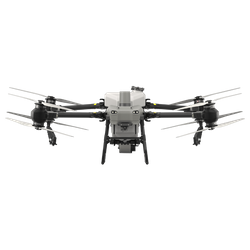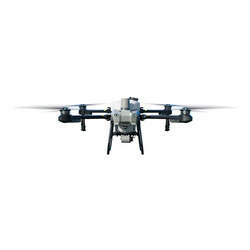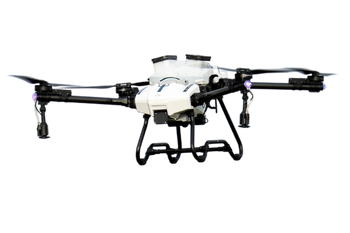

Drone spraying is getting closer! New regulations concerning agricultural drones have been published.
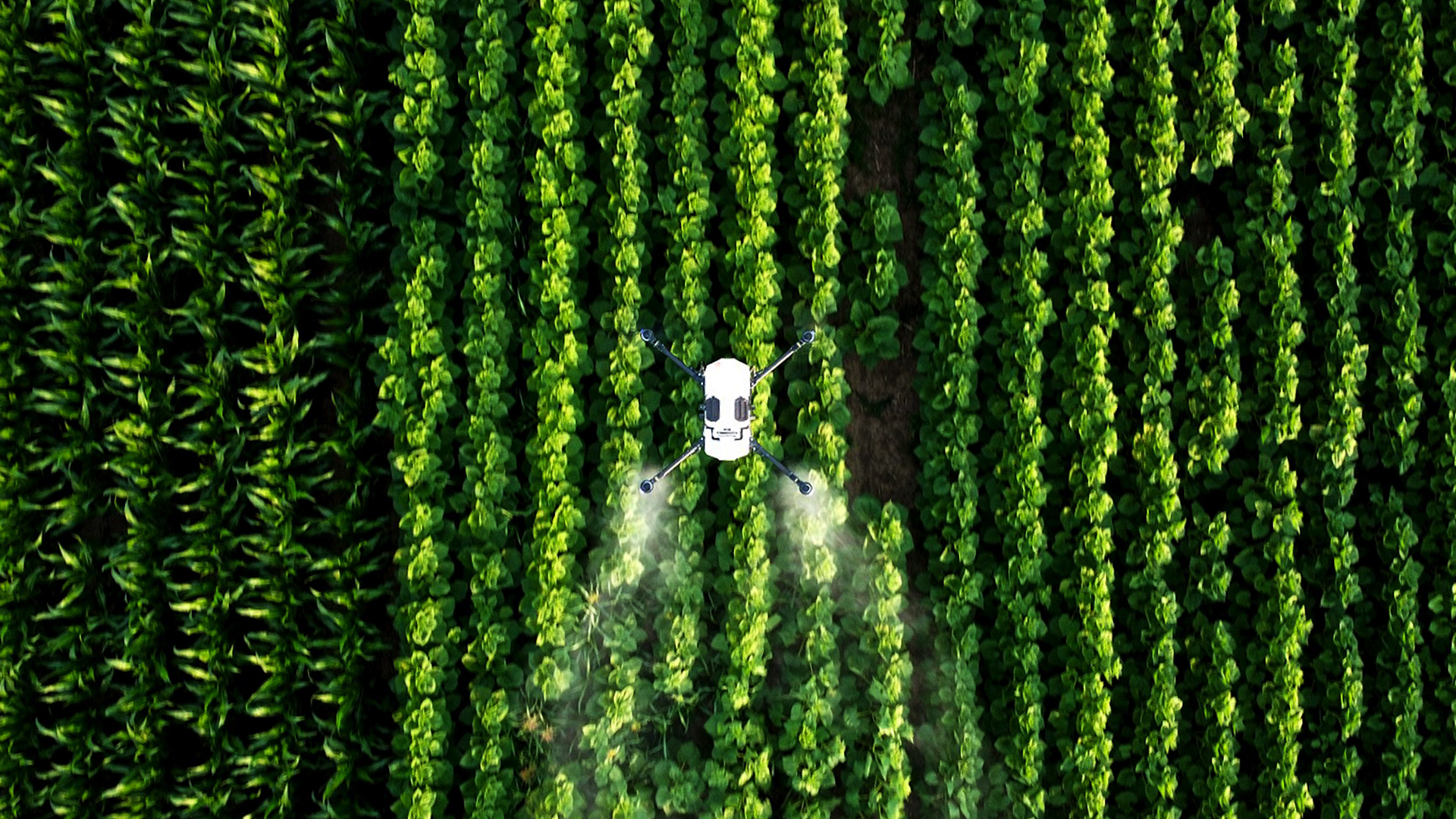
On Wednesday, 4 February 2026, a document crucial for the future of Polish agriculture was published on the website of the Government Legislation Centre (RCL). It is the “Draft Regulation of the Minister of Agriculture and Rural Development amending the regulation on the conditions for the use of plant protection products”.
The Ministry of Agriculture and Rural Development (MRiRW) prepared these regulations in order to officially enable and regulate the performance of plant protection treatments using unmanned aerial vehicles.
Why Was a New Draft Regulation Introduced?
The existing legal framework had not kept pace with technological progress. According to the justification of the draft, current regulations governing agricultural aviation equipment (such as airplanes or helicopters) did not take into account the specific characteristics of drones — their small size, low weight, and ability to operate precisely at low altitudes.
The Ministry of Agriculture concluded that applying the same restrictive requirements to drones as to large crewed aircraft is unjustified and irrational. The rapid development of technology and data from studies conducted in 2024–2025 confirmed that the use of drones is not only feasible but, above all, safe and capable of delivering measurable benefits.
Precise Technical Requirements for Drones
The draft regulation (included in the legislative work register under number 280) introduces specific parameters that must be observed during treatments:
A particularly important change is the possibility of exempting drones from the requirement of a minimum treatment area. Thanks to their high precision, farmers will be able to carry out effective spot spraying on very small areas.
Advantages of Using Drones in Plant Protection
The introduction of new regulations responds to demands from agricultural organizations such as the Greater Poland Chamber of Agriculture and the Polish Association of Cereal Crop Producers. Drones offer several advantages over traditional methods:
When Will the New Regulations Come into Force?
At present, the draft is in the phase of intensive public consultations and formal review. According to an official statement issued by Secretary of State Małgorzata Gromadzka, agricultural and industry organizations have 30 days to submit comments on the proposed regulations.
The consultation process involves, among others, the National Council of Agricultural Chambers, the Polish Chamber of Unmanned Systems, and numerous agricultural producer associations, significantly increasing the likelihood of market-accepted solutions.
If the legislative process proceeds without major delays, the final stage will occur with the publication of the regulation in the Journal of Laws. In accordance with the draft provisions, the new regulations will enter into force 14 days after their publication.
This means that the legal use of drones for precise plant protection treatments may become a reality for Polish farmers already in the coming months of 2026. The initiative also has the potential to significantly impact the labor market by increasing demand for qualified drone operators and stimulating the development of technology companies in the agri-tech sector. The use of unmanned systems places Poland alongside countries such as Germany and Hungary, which have already implemented similar solutions in crop protection.
Recommended

Professional spraying kit - agricultural drone ABZ Innovation L10 PRO with deployment and accessories