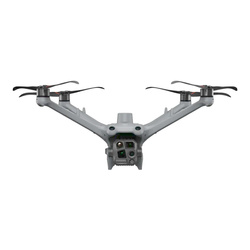

How automated drones are transforming snowmaking on ski slopes – DJI Dock 3 case study
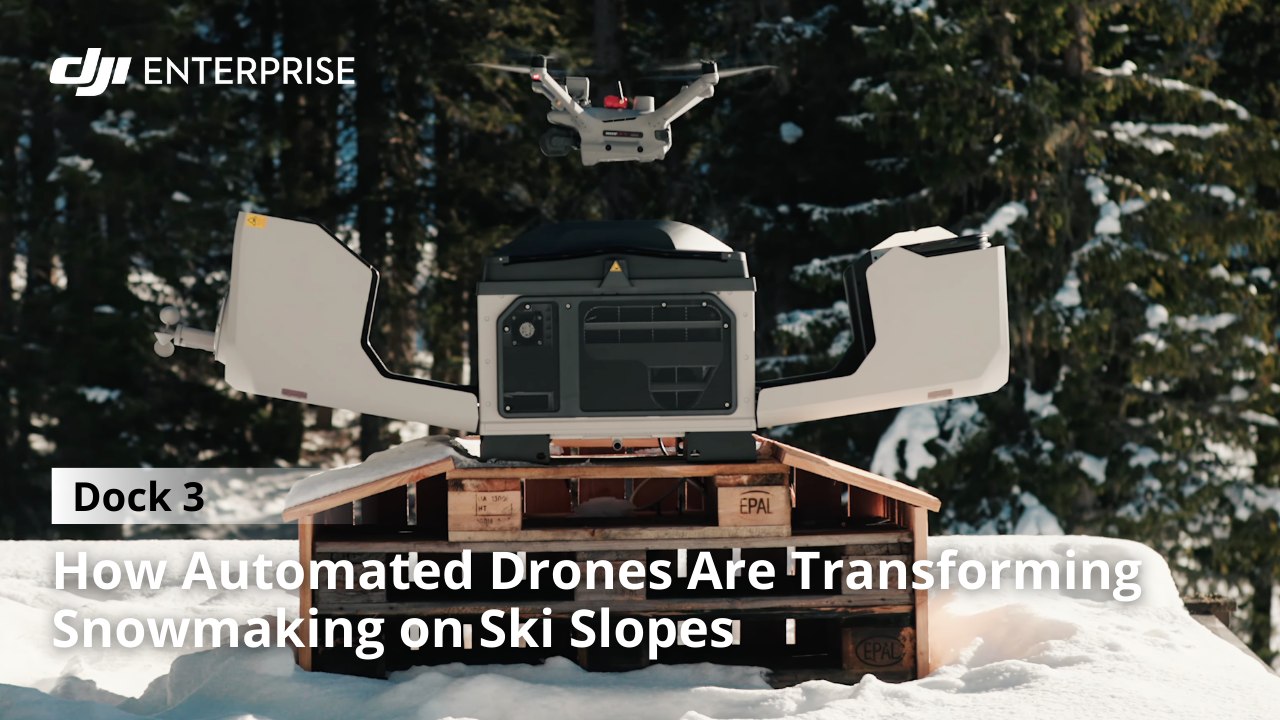
Maintaining technical infrastructure in modern ski resorts is now one of the greatest operational challenges in the winter sports industry. Snowmaking systems, cable cars, and ski slopes must operate reliably, often in extreme weather conditions — and any failure results in losses measured in hundreds of thousands or even millions of euros per season.
The Austrian resort Planai-Hochwurzen-Bahnen, in cooperation with KIONIQ and implementation partner Spektakulair, adopted an innovative approach: Drone as a Service based on the DJI Dock 3 system.
The result? Full automation of technical snowmaking monitoring, improved team safety, and measurable resource savings.
DJI Video Case Study
How Automated Drones Are Transforming Snowmaking on Ski Slopes – DJI Dock 3 Case Study
Challenge: Wind, Night Operations, and Inefficient Snowmaking
Technical snowmaking is a process highly sensitive to weather conditions — especially wind. Even light gusts can cause produced snow to settle outside the slope rather than on it. In practice, this leads to:
Until now, monitoring snow cannons required continuous field team operations in a 24/7 mode, often at night, in low temperatures and challenging high-mountain conditions. This approach is not only costly but also physically demanding and potentially dangerous for staff.
Solution: 24/7 Automated Monitoring with DJI Dock 3
Implementing the DJI Dock 3 system completely transformed how snowmaking operations are managed in Planai. Automated drone missions enable remote slope monitoring without the need for on-site operator presence.
1. Operation in Extreme Conditions
The DJI Dock 3 system was designed to operate in the most demanding environments. In Planai, drones regularly fly in temperatures as low as –30°C while maintaining full functionality despite:
2. Precise Mission Planning in DJI FlightHub 2
The KIONIQ team uses the DJI FlightHub 2 platform, importing KML files with exact locations of snow cannons and lances. This enables full automation of flight routes and remote supervision of key parameters:
3. “Dock Hopping” – Extended Range Without Compromise
To cover a vast ski area, the Dock Hopping function was implemented. Drones can move between multiple docking stations, executing long and complex missions without returning to a single base.
This solution significantly increases operational efficiency and enables complete coverage of even very large resorts.
Data That Truly Optimizes Business Operations
Visual and telemetry data collected during flights is automatically synchronized from the DJI Dock 3 system to Geonicpack software. As a result, slope operators:
A Year-Round Investment, Not Just for Winter
Although the DJI Dock 3 system proved its value during the winter season, Planai-Hochwurzen-Bahnen plans to use it extensively in summer as well. Automated drones will support monitoring of:
Summary: Automation That Pays Off
Implementing the DJI Dock 3 is a classic win–win solution. Technology takes over the most demanding and hazardous tasks, while experienced staff can focus on decision-making instead of working in extreme conditions. At the same time, the ski resort significantly reduces operational costs and its environmental footprint.
As an official DJI Enterprise distributor, we provide comprehensive support — from consulting and implementation to training and servicing DJI Dock systems.
Contact us to learn how automated drones can optimize processes in your organization.